Standing water or soaked carpet
Water under carpet spreads into the pad and subfloor fast.

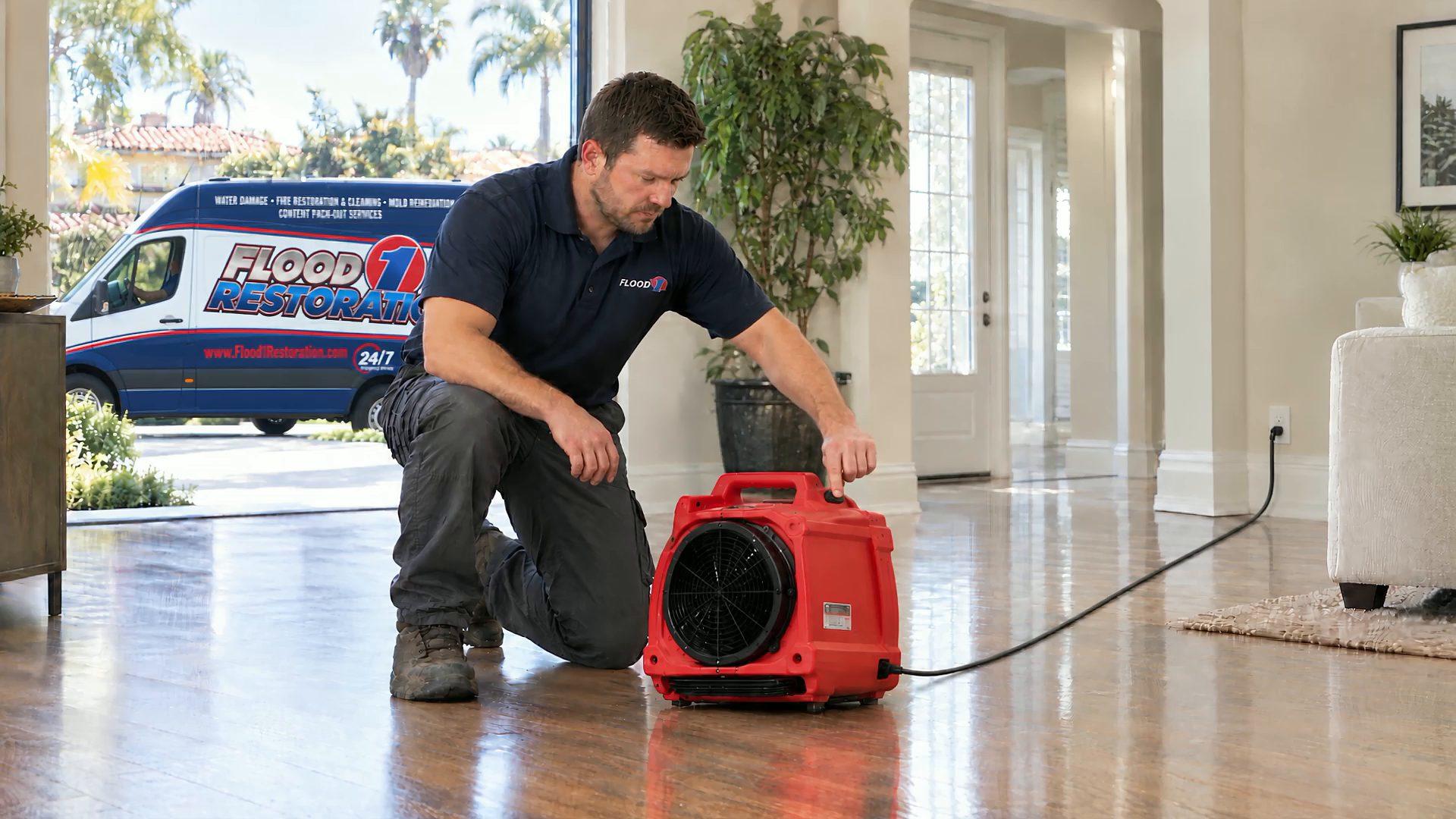
Standing water out, day or night, and drying equipment in the same day, for homes and HOA communities across the Temecula Valley.
A real person answers day or night, every day of the year.
Technicians trained to industry drying and cleaning standards.
Nearly three decades restoring Southern California homes.
CA License #911353, with drying through repairs under one roof.
Emergency water extraction is the first step of water damage restoration: getting the water out of your home before it soaks deeper into floors, walls and framing. Our extractors pull standing water from carpet, pad and hard floors. Then moisture meters and thermal imaging show where the rest has gone. On most of our jobs, it has spread farther than you can see.
The sooner the water is out and drying starts, the more drywall, flooring and cabinetry can be saved, and the lower the chance of mold. Whether it's a burst pipe, a slab leak, storm runoff or a sewage backup, drying equipment goes in the same day.
If you notice any of these, the water has likely spread farther than you can see.
Water under carpet spreads into the pad and subfloor fast.
Even after it's shut off, the water still has to come out.
A classic sign of a slab leak in local 2000s-era homes.
Often a leak from a pipe, the roof or a bathroom above.
Wood and laminate absorb water from below and start to cup.
Moisture is trapped behind the surface and has nowhere to go.
A common early sign of hidden moisture or mold growth.
Water may be escaping inside a wall or under the slab.
Five steps, from the first phone call to the final walkthrough.
A real person answers 24/7, takes your details and schedules an immediate inspection.
We find the source, stop it if it's still running, and map hidden water with meters and thermal imaging.
Once you sign off, we extract standing water, pack out belongings and remove what can't be saved.
Air movers and dehumidifiers go in the same day, with antimicrobial treatment, HEPA filtration and daily moisture checks.
Drywall, baseboards, flooring and cabinets are repaired or replaced, then we walk the job with you.
We get there fast, start drying the same day and finish the repairs ourselves. Local since 1997, with 800+ homes restored.
A real person answers 24/7, and crews typically arrive in 45–60 minutes.
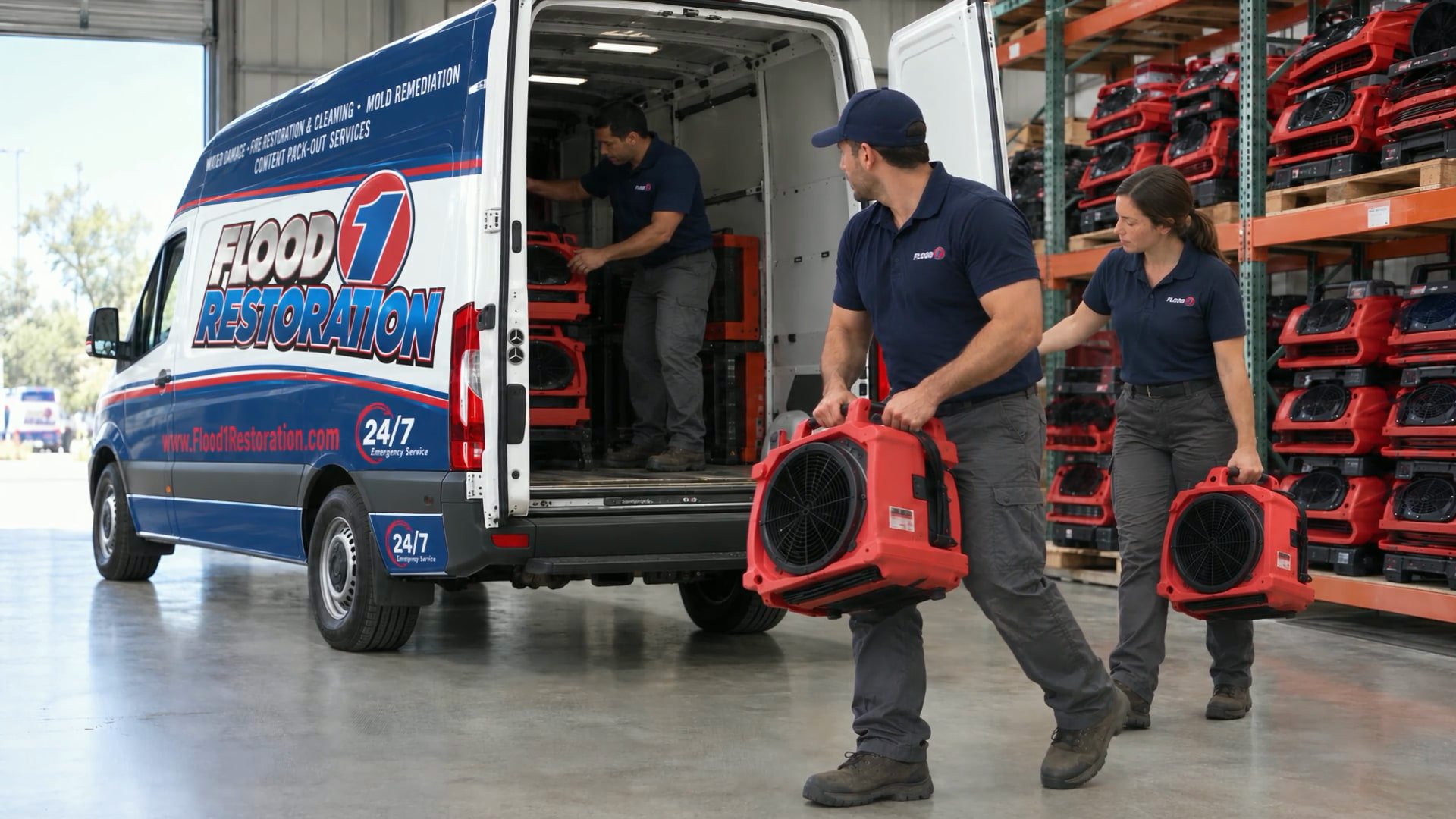
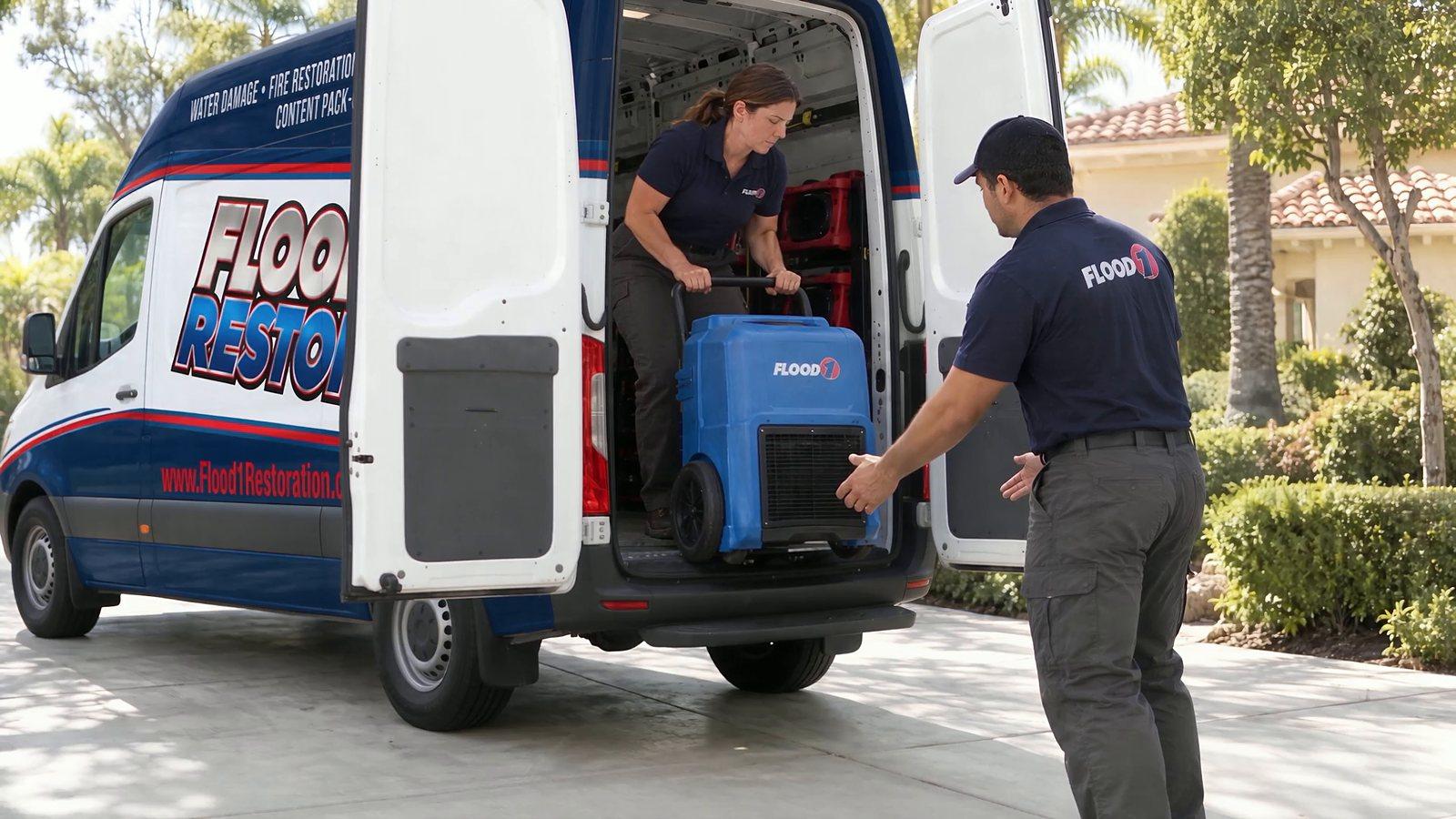
Air movers and dehumidifiers go in the same day the water comes out.
Thermal imaging maps water you can't see, and daily dry logs track the dry out.
One call does it all, from the first bucket to the last coat of paint.
Regular vacuums aren't made for water and can be a shock hazard.
A wet ceiling can come down without warning. Keep people and pets out of the room.
Water keeps moving into walls and subfloors. Drying sooner saves more of your home.
Water extraction alone typically costs $500–$2,000 on local jobs. Full mitigation (extraction plus drying) on Flood 1 jobs typically runs $3,000–$7,000.
Paying out of pocket? We compare your deductible with the likely claim amount to help you decide whether to file. Repairs get a separate estimate after drying.
Estimates only. Nothing starts until you sign a work authorization.
Want a number for your home? Call (888) 432-4373 for an immediate inspection.
| Moisture inspection and mappingSource found, moisture mapped | $0 – $300 |
| Water extractionStanding water removed | $500 – $2,000 |
| Structural dryingUsually 3–4 days of equipment | $1,000 – $4,000 |
| Antimicrobial treatmentApplied to affected areas | $200 – $800 |
| Drywall and baseboard repairCut, replace, tape and paint | $1,500 – $5,000 |
| Flooring replacementVaries by material | $4 – $12 per sq ft |
The same few problems account for most of the calls we take. Slab leaks top the list.
Copper lines under the slab in many 2000s-era homes wear through over time.
Tank heaters often fail after 8 to 12 years, sooner with hard water.
Hard water speeds up corrosion in supply lines and fittings.
Toilet, sink and washer hoses can fail without warning.
Heavy rain finds worn flashing and underlayment.
Roots and blockages push water back up through drains.
The type of water changes how we clean, what can be saved and how long the job takes.
Comes from a supply line, faucet or water heater. Caught early, most materials can be dried and saved in place.
Common sourcesHas some contamination. Affected areas need cleaning and antimicrobial treatment along with drying.
Common sourcesSewage or floodwater. Porous materials like carpet pad and drywall are removed, and the area is disinfected.
Common sourcesNot sure which you have? Call (888) 432-4373 and we'll help you sort it out before anyone touches it.
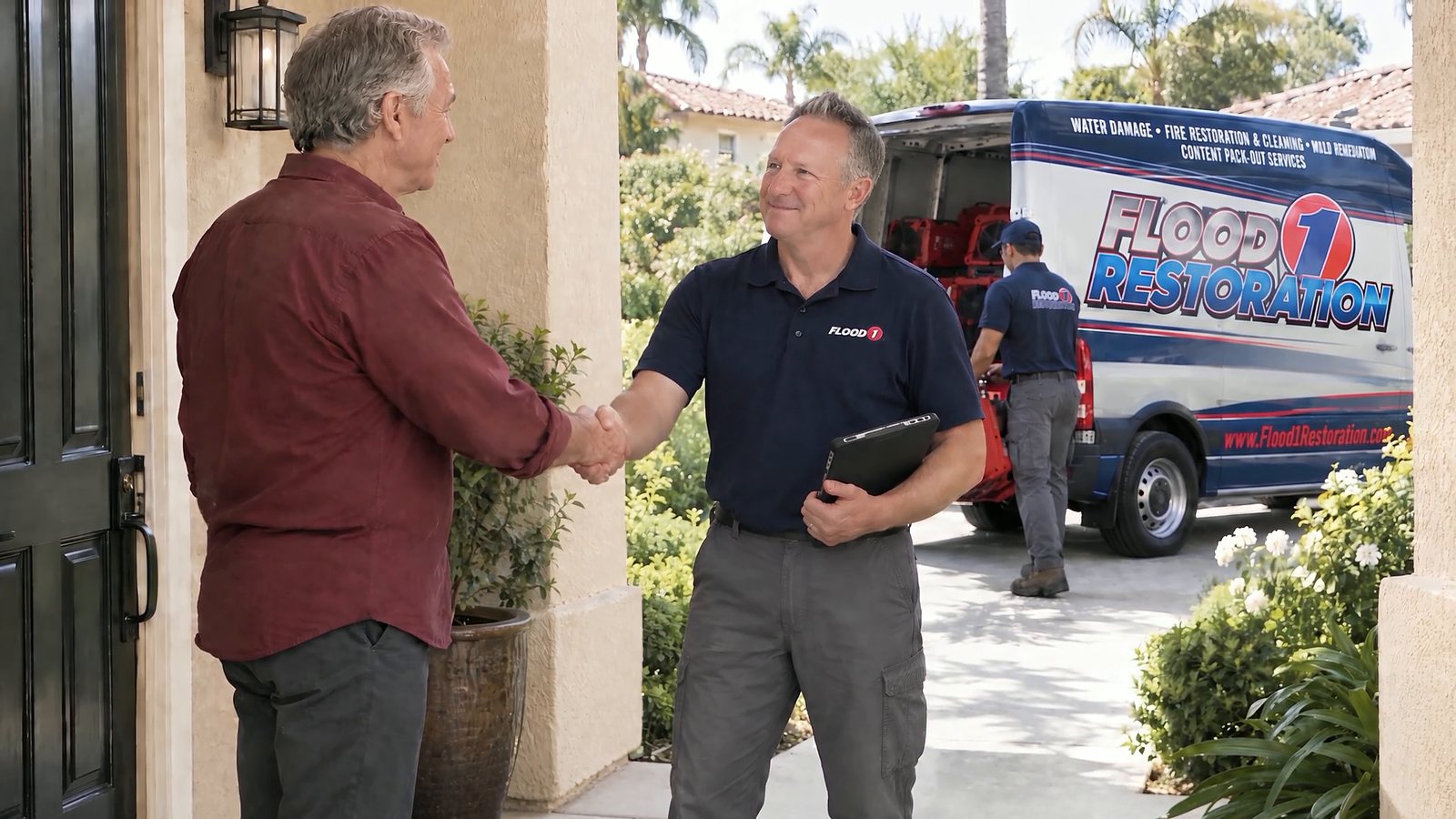
Very professional company. I recommend to anyone!
Google review · Oct 2023
Still have a question? Call (888) 432-4373, day or night.
Crews head out from our Temecula base to homes and HOA communities across three counties, day or night.
Don't see your city? Call (888) 432-4373 and we'll tell you right away.
Flood 1 Restoration service area
© Flood 1 Restoration
Containment, HEPA filtration and clearance testing.
Learn more ›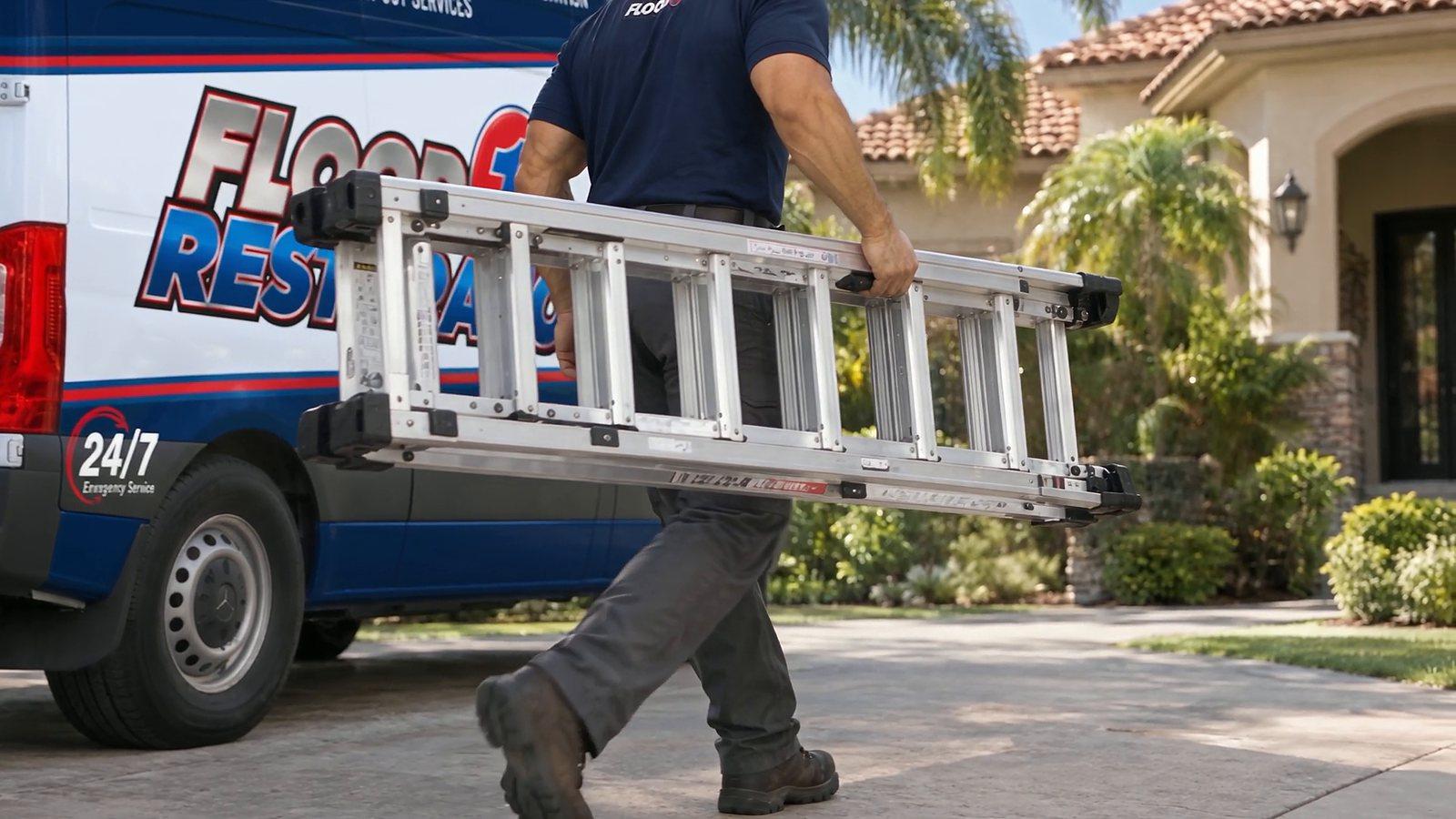
Drywall, flooring and cabinet repairs after drying.
Learn more ›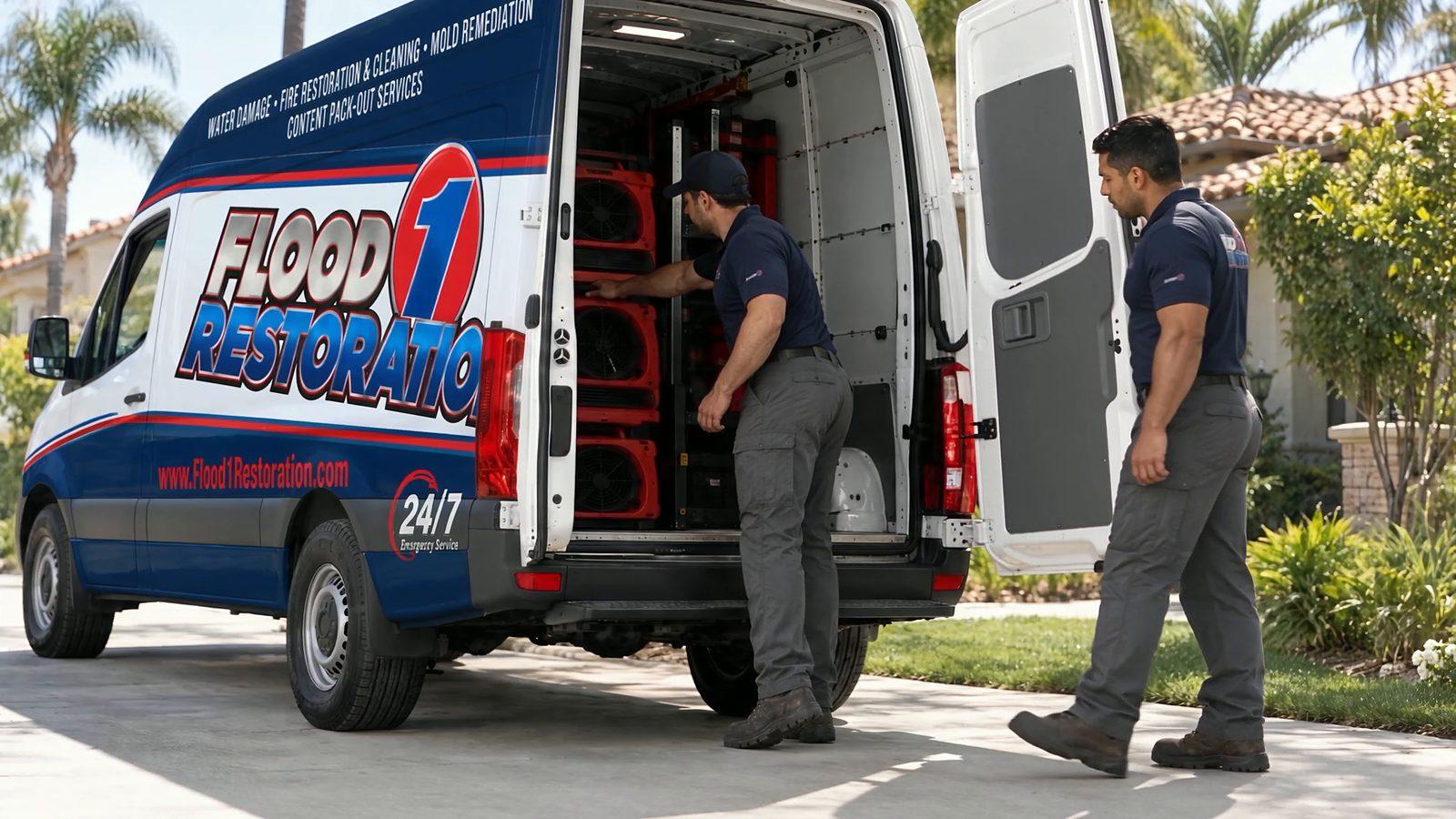
Safe removal and disinfection after backups.
Learn more ›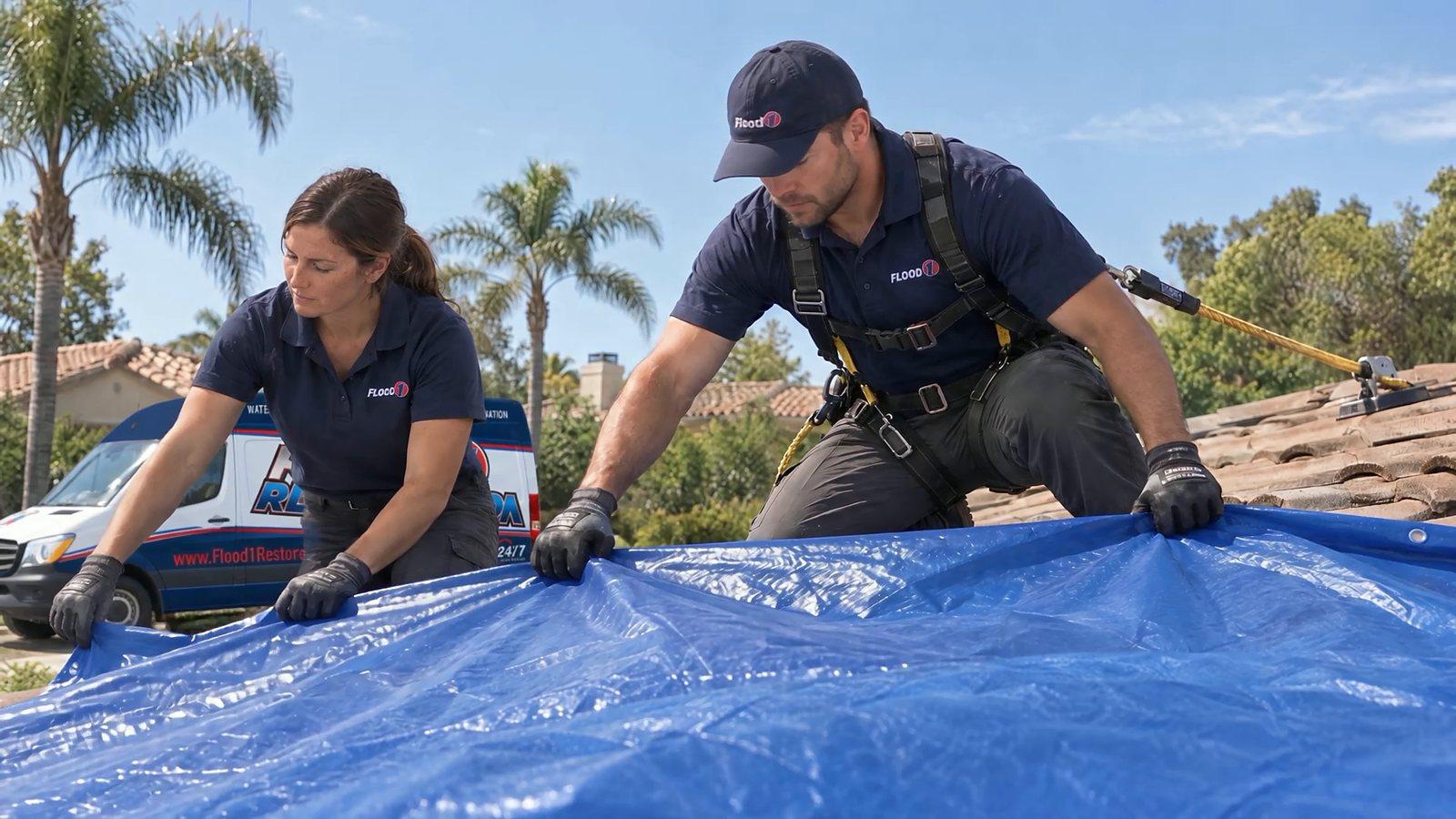
Board-up, roof tarping, soot and odor removal.
Learn more ›Emergency help for homeowners and managed communities, 24 hours a day.